
10 Best Cooperative Board Games For Families in 2026
This post contains affiliate links. As an Amazon Associate, we earn from qualifying purchases.
The best cooperative board game for families is Gamewright Outfoxed Cooperative Board Game, a quick whodunit where everyone works together to solve a mystery before the fox escapes. For younger kids, Peaceable Kingdom Count Your Chickens teaches counting with zero reading required, while HABA First Orchard gives toddlers their first taste of team play. These are games where you win or lose together.
The real challenge for families is finding a game that keeps everyone engaged without leaving younger players frustrated or older ones bored. Cooperative games solve that by removing the sting of elimination and replacing competition with shared problem-solving. But age ranges, player counts, and complexity vary wildly.
We researched specifications, manufacturer recommendations, and patterns in owner feedback to build this guide. You will find ten carefully selected games that cover toddlers through teens, with clear notes on who each game actually fits.
Top 10 Cooperative Board Games For Families in the Market

Certain content that appears on this site comes from Amazon. This content is provided "as is" and is subject to change or removal at any time.
The Best Cooperative Board Games For Families, Reviewed
Gamewright Outfoxed Cooperative Board Game
What We Like
- Cooperative team play for ages 5+
- Quick 15-20 minute rounds
- Interactive dice and decoder clue solving
- Easy to learn in minutes
Trade-offs
- Limited to 4 players max
- Designed for exactly 4 players, no more
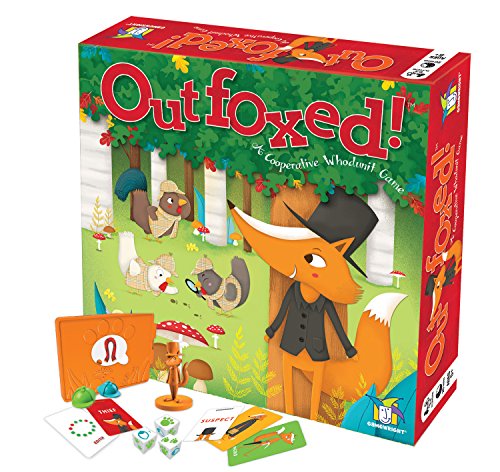
A 15-20 minute round means you can fit a full mystery into a bedtime routine or a quick after-dinner game without losing anyone’s attention. Designed for ages 5 and up, Outfoxed uses a dice-rolling decoder and clue elimination to let kids work together to catch the fox before it escapes. That cooperative structure eliminates the sore-loser problem and builds logic and memory skills through play, not a lesson. It’s the kind of game where every player contributes, so no one sits out waiting for a turn.
The four-player cap and the preschool focus are the main limits. If you have a bigger family or a mix of ages that includes tweens, the deduction might feel a bit light compared to a game like The Crew: Family Adventure, which supports up to five players and offers more strategic depth. But for introducing young children to cooperative board gaming, Outfoxed nails the balance of simple rules, quick rounds, and genuine teamwork. It’s a reliable first mystery game that gets everyone involved.
Peaceable Kingdom Count Your Chickens Board Game
What We Like
- Teaches counting with no reading required
- Award-winning cooperative play design
- Players work together to win
- Winner of five major awards
Trade-offs
- Only 2-4 players limits bigger groups
- No solo play option for a single child
A cooperative counting game where everyone wins together, that’s the core idea behind Count Your Chickens. Designed for ages 3 and up, it asks players to help Mother Hen gather all 40 chicks before they scatter. No reading is required, so even the youngest family members can join in on the fun while building early math skills. The cooperative format means there’s no single loser, just a shared victory when the hen gets her chicks home. That makes it a natural fit for families with preschoolers who aren’t ready for competitive play yet.
The game supports only 2 to 4 players, so larger family gatherings may need a second game. For a gentle, no-reading-required introduction to board games for the littlest players, though, this one delivers exactly what it promises.
Product photos
HABA First Orchard Toddler Game

What We Like
- Large wooden pieces for small hands
- Teaches turn-taking and color recognition
- PEFC certified sustainable wood
- Works for solo or group play
Trade-offs
- Only one die limits variety for repeat plays
The simplicity that makes it perfect for a 2-year-old may feel limiting for a 4-year-old who is ready for more strategy. Compared to other cooperative games like Peaceable Kingdom’s Count Your Chickens, which is designed for ages 3 and up and focuses on counting, First Orchard is squarely aimed at the earliest stage of game play. If you have a toddler just learning to follow rules and turns, this is where you start. For families with a wider age range, you may want something with more depth for the older kids.
Product photos
Thames & Kosmos The Crew Family Adventure Card Game
What We Like
- 35 unique missions in logbook
- All-new power-ups and abilities
- Illustrated game board for planning
- Ages 8+ family-friendly trick-taking
Trade-offs
- 3-5 player limit excludes smaller families
- No solo or two-player mode available
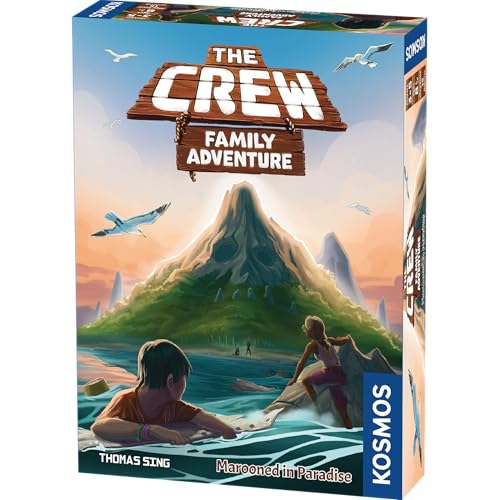
With 35 unique missions packed into a 15-minute playtime, this card game turns a classic trick-taking mechanic into a family co-op adventure that even younger players can jump into. The illustrated game board helps everyone see the big picture and plan their next move together, while the new power-ups and abilities give you a fighting chance when the pirates get tough. It’s built for families with kids aged 8 and up who want a quick, cooperative challenge that doesn’t drag on past bedtime.
The 15-minute rounds and 3-5 player count mean this game works best when you have a full crew ready to go. Smaller families might find it harder to get to the table. Compared to a longer co-op like Pandemic, this one is more of a fast-paced card game that rewards clever teamwork rather than deep strategy. If your family enjoys working together in short bursts and loves the idea of a shared mission log, this is a great fit.
Product photos
Peaceable Kingdom Race To The Treasure Board Game

What We Like
- No reading required for play
- Teaches strategy and social skills
- Award-winning cooperative path building
- Frustration-free packaging
Trade-offs
- Limited to 4 players max
- No expansion or variant rules included
A 5+ age rating and no reading required means this game gets to the table fast, even with pre-readers. The cooperative path-building mechanic forces everyone to plan together before placing a single tile, so kids learn strategy and social skills without realizing it. That’s why it won four awards including the Oppenheim Platinum, it turns a simple race against the Ogre into a genuine team exercise where every player’s idea matters.
The Ogre’s steady advance creates real urgency as players work together to build a path from start to finish, if they succeed, everyone wins. This cooperative path-building game for 2 to 4 kids ages 5 and up requires no reading, so children can focus on strategy and social skills. Reviewers note that the simple, focused design makes it an excellent introduction to cooperative play for young families.
Product photos
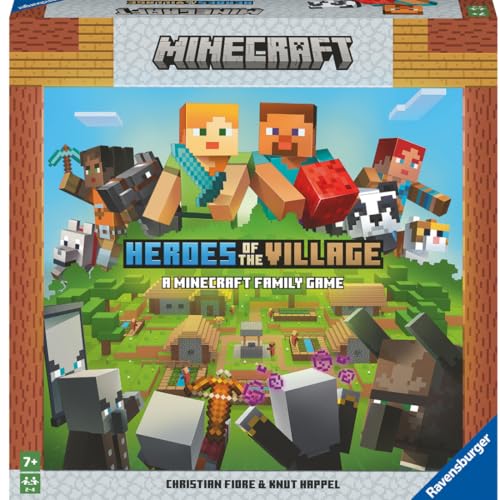
Ravensburger Minecraft Heroes Of The Village Board Game
What We Like
- Map changes every playthrough
- Encourages joint strategies and shared victories
- Quality wooden blocks and detailed tokens
- Trusted Ravensburger craftsmanship
Trade-offs
- 2.7 pounds is heavy for young children to carry
- Aimed at ages 7+ so not for younger siblings
Designed for two to four players ages seven and up, this cooperative board game lets families with older children join forces to defend a village, collect resources, and outmaneuver mobs. Each session unfolds on a map that rearranges itself every time you play, ensuring no two games are alike. Reviewers note that the shared objective encourages teamwork and communication, making it a natural fit for family game nights or gatherings. The recommended age range strikes a balance between fun and challenge, so younger players can participate without feeling overwhelmed while older ones stay engaged.
The 2.7-pound box and small pieces like mob tokens and building tiles make it less practical for very young children or for tossing in a bag for travel. Compared to the lighter Peaceable Kingdom Count Your Chickens board game, this one demands more table space and adult setup help. But for Minecraft fans who want a cooperative challenge, the ever-changing map and quality components make it worth the extra heft.
Z-Man Games Pandemic Cooperative Board Game

What We Like
- Team-based cooperative strategy gameplay
- Rewards planning, communication, and coordination
- Entry point to the Pandemic series
Trade-offs
- Requires careful planning, not a quick pickup game
- 2-4 player limit excludes larger family groups
A 45-to-60-minute play window means this isn’t a lightning round, it’s a proper sit-down session where every decision matters. That time frame is perfect for families who want a cooperative challenge that rewards planning and communication, not just luck. The specialist roles. Medic, Scientist, Researcher, Operations Expert, and more, force real teamwork: you can’t win by going solo. Each player’s unique ability shapes the group’s strategy, so everyone stays engaged from the first turn to the final cure. This is the base game that introduces the wider Pandemic series, including Pandemic Legacy Season 1, and it’s built to teach the core systems before you ever touch a legacy campaign.
This isn’t a 15-minute filler game. If your family prefers quick rounds or has very young children who lose focus, a shorter cooperative game might be a better fit. But for families ready to invest in a deeper cooperative experience, Pandemic delivers tense, memorable game nights where you win or lose together. The 2-4 player count also means it’s best for smaller groups. Still, for a strategy-focused team game that actually demands communication, this is hard to beat.
Product photos
Gamewright Forbidden Desert Survival Board Game

What We Like
- Thrilling cooperative adventure theme
- Challenging strategy with teamwork focus
- Vibrant multi-colored components
- Easy to learn with clear instructions
Trade-offs
- Ages 10+ excludes younger siblings
- Requires at least 2 players to play
A 45-minute playtime means this isn’t a quick filler, it’s a proper adventure that demands attention and teamwork. Designed for 2 to 5 players aged 10 and up, Forbidden Desert drops your group into a sun-scorched landscape where you must cooperate to find a legendary flying machine and escape. The cooperative mechanics force everyone to talk, plan, and adjust on the fly, which is exactly what makes it a standout for families who want more than just roll-and-move. The vibrant multi-colored pieces and clear instructions help even first-timers jump in without frustration.
Younger kids (under 10) will likely struggle with the strategic depth, so this one works best when your crew is older or when adults can carry the planning load. Compared to Outfoxed, which wraps up in 15-20 minutes and targets preschoolers, Forbidden Desert demands a longer attention span and more complex thinking. That makes it a better pick for families with tweens and teens who are ready for a real cooperative challenge, not just a quick whodunit.
HABA Unicorn Glitterluck Cloud Stacking Board Game
What We Like
- Cooperative gameplay builds teamwork
- Enhances fine motor skills and hand-eye coordination
- High-quality German-made components
- Includes unicorn and crystal stacking
Trade-offs
- Target age 4-8 limits older family members
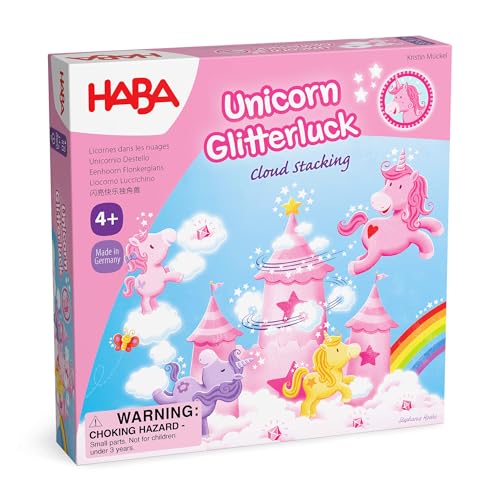
This stacking game asks everyone to work together to get all five unicorns and ten crystals onto the cloud before the rain starts. That means the whole table is pulling in the same direction. The cooperative twist means no one gets singled out, which keeps the mood light even when a crystal topples. For families with kids ages four to eight, it’s a rare find that blends a whimsical theme with real developmental payoff, those little hands get a workout in fine motor control and hand-eye coordination while they play. The German-made build also means the pieces will survive plenty of enthusiastic stacking sessions.
The cooperative stacking challenge asks everyone to work together to get all five unicorns and their ten crystals into the cloud kingdom before the rain starts. It builds teamwork and fine motor skills for kids ages 4-8. Compared to Peaceable Kingdom’s Count Your Chickens, which builds early math skills through counting, this game adds a physical dexterity element that makes it stand out for families who want a hands-on cooperative experience. Just be ready for the age limit if you have a wide age range at the table.
Hachette Boardgames Nekojima Cat Board Game
What We Like
- 80 real wood and cardboard pieces
- Plays solo, co-op, or competitive
- 15-minute rounds keep attention spans
- No assembly or long rulebook
Trade-offs
- Dexterity focus excludes kids who prefer pure logic games
- No strategy depth for long-game fans
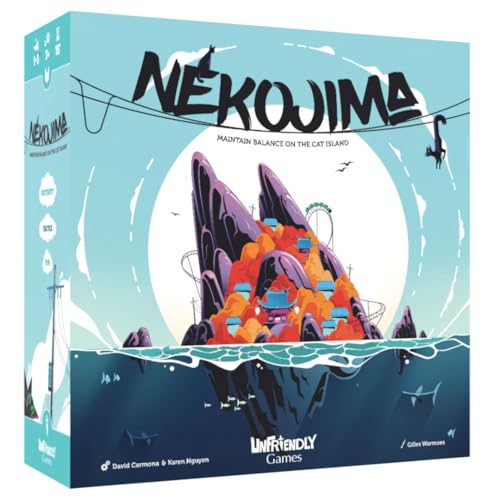
A 15-minute play time means you can pull this off the shelf between dinner and bath time without losing anyone to boredom. The whole game is stacking wooden Denchuu poles and weaving cables across a Japanese island board, and every piece you add makes the next one harder. That steady-hand challenge puts a kid and an adult on level ground, so no one gets steamrolled by experience. It works solo, cooperatively with the whole family, or as a 2-5 player standoff where nobody wants to be the one who knocks it down. For families with mixed ages and short attention windows, that flexibility is the real win.
The 15-minute playtime means this is a quick, high-energy activity rather than a deep strategy session. If your group prefers spending an hour on layered planning, this will feel more like a warm-up than a main event. The dexterity focus rewards steady hands over logic, so it won’t satisfy fans of deduction games. But for a fast, tactile challenge that gets everyone laughing at their own shaky fingers, it delivers exactly what it promises.
Product photos
How We Evaluated Cooperative Board Games For Families
We looked at manufacturer age ratings, player counts, round lengths, and learning curves across dozens of cooperative games. Expert round-ups from toy and game reviewers helped us identify which titles hold up to repeated play, and patterns in parent feedback revealed which games children actually ask to play again.
The four criteria that mattered most were age range accuracy, player count flexibility, round length, and replay value. A game that claims to work for ages 4-8 but bores a 7-year-old after two rounds did not make the cut. Similarly, a game that needs exactly four players is less useful than one that flexes from two to four.
This is a research-led evaluation, not a hands-on test. We rely on documented specs, trusted reviewer consensus, and the collective experience of thousands of families whose feedback is publicly available. When you are ready to explore more options, our full list of cooperative games for kids covers additional titles for younger players. Our guide to cooperative games for adults is useful for family nights with older children.
What To Look For In Cooperative Board Games For Families
The right cooperative game fits your family’s youngest player, your available time, and your tolerance for setup. These criteria will help you narrow the field.
Look for a game where the youngest child can meaningfully participate, rounds fit your typical attention span, and the rules take under five minutes to explain.
Age Range and Reading Level
The single most important factor is whether the youngest player can actually play. Many cooperative games require no reading at all, using symbols, colors, or pictures instead of text. Games like Peaceable Kingdom Count Your Chickens and Race To The Treasure are entirely reading-free. For families with a two-year-old, HABA First Orchard uses large wooden pieces and simple color matching. Always check the listed age range and whether reading is required. Our guide to cooperative games for 5-year-olds has more detail on that specific age group.
Player Count
Most family cooperative games support 2-4 players, but some require a minimum of three or four. If you have a family of five, many of these games will not work. The Crew requires 3-5 players, which is great for larger families but excludes a parent playing with one child. For two-player families, our list of cooperative games for 2 players is a better starting point.
Round Length and Attention Span
Short rounds (15-20 minutes) work best for families with young children. Outfoxed, Count Your Chickens, and Nekojima all fit this window. Pandemic and Forbidden Desert run longer and require sustained focus, making them better for families with kids aged 8 or 10 and up.
Replay Value
A game your child solves once and never wants to play again is not a good investment. Look for variable setups, multiple missions, or randomized elements. Minecraft Heroes Of The Village changes the map every playthrough. The Crew includes 35 unique missions in its logbook.
- Check the box for “variable setup” or “multiple scenarios” in the rulebook
- Look for games with expansion packs if your family plays frequently
- Read parent reviews that mention how often children ask to replay
- Consider whether the game works for solo play if only one child wants to play
- Check component quality, wooden pieces and thick cardboard last longer than thin paper
A game that takes five minutes to learn and fifteen minutes to play will get more table time than a complex game that sits on the shelf.
Cooperative Board Games For Families Compared
The table below compares all ten games by age, player count, round time, and key skill focus so you can quickly find the right fit for your family.
| Product | Players | Ages | Dimensions |
|---|---|---|---|
| Gamewright Outfoxed Cooperative Board Game | 4 | 5+ | 9.5 x 9.5 x 2.2 in |
| Peaceable Kingdom Count Your Chickens Board Game | 2 to 4 | 3+ | 231 x 41 x 320 inches |
| HABA First Orchard Toddler Game | 1-4 | 2+ | 8.9 x 8.9 x 2.8 inches |
| Thames & Kosmos The Crew Family Adventure Card Game | 3-5 | 8+ | 5.1 x 1.5 x 7.2 in |
| Peaceable Kingdom Race To The Treasure Board Game | 2 to 4 | 5+ | 12.5 x 1.5 x 9.0 inches |
| Ravensburger Minecraft Heroes Of The Village Board Game | 2-4 | 7+ | 11 x 11 x 3 inches |
| Z-Man Games Pandemic Cooperative Board Game | 2-4 | 8+ | 12.0 x 8.6 x 1.7 in |
| Gamewright Forbidden Desert Survival Board Game | 2-5 | 10+ | 8.5 x 8.5 x 0.1 inches |
| HABA Unicorn Glitterluck Cloud Stacking Board Game | 2+ | 4-8 years | 8.9 x 11.0 x 14.2 inches |
| Hachette Boardgames Nekojima Cat Board Game | 1-5 | 8+ | 9.8 x 9.8 x 0.0 inches |
Frequently Asked Questions
What is the best cooperative board game for a 5-year-old?
Gamewright Outfoxed is the strongest choice for ages 5 and up. It requires no reading, rounds last 15-20 minutes, and the cooperative clue-solving mechanic keeps young players engaged without frustration. For children who are still learning to count, Peaceable Kingdom Count Your Chickens works for ages 3 and up.
Can cooperative board games be played with only two players?
Yes, but not all of them. HABA First Orchard and Nekojima both support two players. Pandemic and Forbidden Desert require at least two. The Crew requires a minimum of three players, so it will not work for a parent playing with one child. Always check the player count on the box before buying.
What is the difference between cooperative and competitive board games?
In cooperative games, all players work together against the game itself. Everyone wins or loses as a team. In competitive games, players oppose each other. Cooperative games eliminate the problem of a child feeling singled out or losing early, which makes them ideal for family game nights with mixed-age players. Understanding what is cooperative play helps explain why this format works so well for young children.
Are there cooperative board games for toddlers?
HABA First Orchard is designed specifically for 2-year-olds. It uses large wooden fruit pieces, simple color recognition, and a cooperative structure where everyone tries to harvest fruit before the raven reaches the tree. The pieces are large enough to prevent choking hazards and easy for small hands to grasp.
What is the best cooperative board game for a family with older kids?
For families with children aged 8 and up, Pandemic offers deep cooperative strategy that rewards planning and communication. For a shorter option, The Crew delivers 15-minute trick-taking sessions with 35 different missions. Minecraft Heroes Of The Village is ideal for Minecraft fans aged 7 and up. Our roundup of best family board games includes more options for older children.
The Bottom Line
For most families, the Gamewright Outfoxed Cooperative Board Game is the best overall pick. It works for children as young as five, requires no reading, and wraps up in under twenty minutes. The cooperative mystery format naturally encourages discussion and deduction without any single player dominating.
If your family includes a toddler, start with HABA First Orchard. For Minecraft fans, Ravensburger’s Heroes Of The Village is a no-brainer. Families with older children who want deeper strategy should look at Pandemic or Forbidden Desert. Budget-conscious families will find strong value in Peaceable Kingdom’s Count Your Chickens and Race To The Treasure, both of which have won multiple awards and require no reading.
The single most important factor is the age of your youngest player. Buy for that child, and the rest of the family will adapt. A game that fits your youngest will create positive early experiences with cooperative play, building the foundation for more complex games as they grow.
