
10 Best Play Sand For Sandbox in 2026
This post contains affiliate links. As an Amazon Associate, we earn from qualifying purchases.
The best play sand for a sandbox is Classic Sand and Play Sand, it’s non-toxic, molds well when wet, and dries quickly so kids can keep playing without a sticky mess. For families filling a large outdoor sandbox on a budget, the Quikrete Sandbox Play Sand offers the best value with a 50-pound bag of pre-washed, screened sand. And if you want a premium white look for a sensory table or classroom, Sandtastik Sparkling White Play Sand is the top choice.
The real challenge with play sand isn’t just finding sand, it’s finding sand that’s safe, clean, and actually fun to play with. Sand that’s too dusty can irritate young lungs, sand with hidden rocks or sticks can ruin a castle-building session, and sand that won’t hold its shape when wet just frustrates little builders.
We put this guide together by researching manufacturer specifications, safety certifications, expert round-ups from child development and playground safety sources, and patterns in thousands of owner reviews. You’ll get clear recommendations for every sandbox size, budget, and play style.
Top 10 Play Sands For Sandboxes in the Market
Certain content that appears on this site comes from Amazon. This content is provided "as is" and is subject to change or removal at any time.
The Best Play Sands For Sandboxes, Reviewed
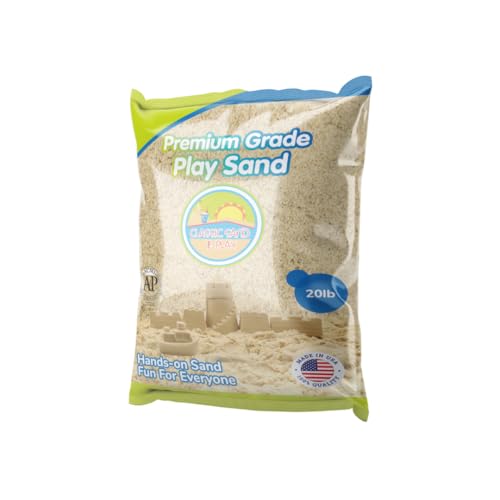
Classic Sand and Play Sand
What We Like
- Non-toxic and safe for kids
- Molds well when wet
- Quick-drying for less mess
- Suitable for indoor and outdoor use
Trade-offs
- 20 lb bag is smaller than 50 lb competitors
- Not the best value for large sandboxes
A 20-pound bag of premium-grade play sand that’s been grated, washed, and dried gives you a soft, non-toxic material that molds well when wet. It dries quickly after adding water, so kids can build castles with less mess. This makes it a great fit for families with smaller sandboxes, sand tables, or sensory bins, especially if you value easy cleanup and safe indoor use. The versatility for therapy, crafts, and even terrariums adds to its appeal for parents who want one product that does more than just fill a box.
The trade-off is the bag size: at 20 pounds, it’s less than half the weight of the Quikrete 50-pound bag, so if you’re filling a large outdoor sandbox, you’ll need multiple bags. That said, the quick-drying feature and wet-molding capability make it a smarter choice for creative play sessions where you want the sand to hold its shape without turning into sludge. For a smaller setup or a family that prioritizes safety and sensory play over raw volume, this is the one to grab.
Product photos
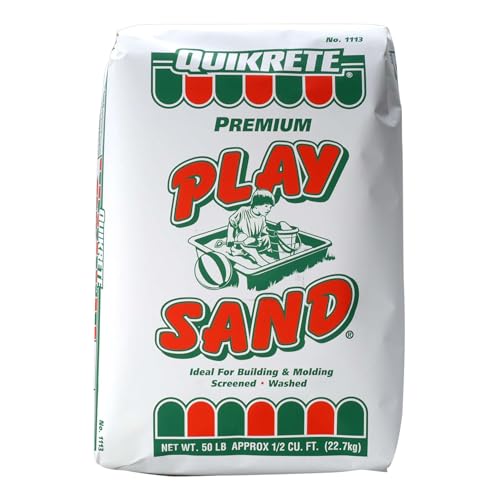
Quikrete Sandbox Play Sand
What We Like
- Pre-washed, dried, and screened
- No hidden sharp rocks or sticks
- 50-pound bag for new or refresh
- Versatile for crafts and terrariums
Trade-offs
- 50-pound bag is heavy to carry
- Not sold by an authorized dealer
A full 50 pounds of pre-washed, dried, and screened sand means you can fill a new sandbox or top off an old one without worrying about hidden sharp rocks or sticks. The screening process delivers soft, consistent, clean play sand right out of the bag. For families who want a large volume of clean sand for an outdoor sandbox, this bag provides a practical option.
The tan color won’t give you the bright white look that some other play sands offer. Sandtastik’s Sparkling White Play Sand is a 25-pound bag with a white color, while this Quikrete bag is 50 pounds and tan. For outdoor sandboxes where color may be less of a concern, Quikrete’s sand is a straightforward choice.
Product photos
Sandtastik Sparkling White Play Sand

What We Like
- Premium non-toxic with no free silica
- Sparkling white color stands out
- Moldable for castles with water
- Ideal for classrooms and childcare centers
Trade-offs
- 25.9 lb bag is smaller than 50 lb competitors
- Shovel and bucket not included
A 25-pound bag is light enough to carry with one hand, making it easy to refresh a classroom sand table without breaking your back. The sparkling white color stands out in sensory bins, and the non-toxic, no-free-silica formula gives parents peace of mind during play. Add a little water, and kids can shape it into castles or sculptures, while the compact bag tucks away neatly on a shelf.
For a large outdoor sandbox, a 50-pound bag like Quikrete Sandbox Play Sand offers more volume in a single purchase. But for indoor sensory bins or small sand tables, this 25-pound bag is easier to handle and keeps the play area looking clean and bright. Note that the shovel and bucket are sold separately.
Product photos
U.S. Silica Snow White Play Sand

What We Like
- Bright white color for clean look
- Low dust for less mess
- Soft fine texture for comfortable play
- Washed and screened for purity
Trade-offs
- White color shows dirt more easily
With a 50-pound bag of fine, washed sand, you can cover an 18×18-inch area three inches deep without needing multiple bags. The bright white color keeps the play space looking clean and neat, while the low-dust processing helps reduce airborne particles during indoor use. This makes it a strong choice for parents or daycare operators who want a visually tidy setup and less cleanup after playtime.
The bright white color keeps the play space looking clean and neat, but it may show dirt more readily than natural tan sands, so it could need occasional refreshing if used heavily outdoors. Compared to Quikrete’s tan play sand, which hides grime better, this one demands a bit more upkeep to stay pristine. But if a clean, bright appearance and low dust are your priorities, the extra attention is worth it.
Palmetto Soft Play Sand 2-Pack

What We Like
- Two 50-lb bags for big projects
- Low dust and soft texture
- Free from pebbles and harsh additives
- Versatile for indoor and outdoor play
Trade-offs
- Each bag only covers 18 sq in at 3 in depth
- No dimensions listed for storage planning
Two 50-pound bags in one purchase mean you can fill a decent-sized sandbox without having to buy a second bag later. The sand is soft, clean, and low-dust, so kids can dig, pour, and build without kicking up a cloud or getting scratched by pebbles. That makes it a smart pick for families who want a generous supply of safe, fine-textured sand for both outdoor sandboxes and indoor sensory bins or craft projects.
Each bag in this two-pack only covers 18 square inches at a three-inch depth, so if you’re filling a large community sandbox, you might need more than this set. Compared to the single 50-pound bag of Quikrete Sandbox Play Sand, this Palmetto set gives you double the volume for roughly the same footprint, which is where the value really shows. Just measure your sandbox first to be sure the coverage matches your needs.
Product photos
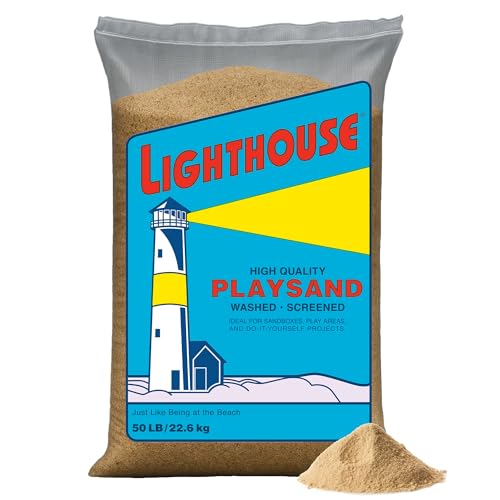
U.S. Silica Large Play Sand
What We Like
- Non-toxic and chemical-free
- 50-pound bulk bag for large sandboxes
- Finely graded, fully washed sand
- Safe for kids 4 years and up
Trade-offs
- 50-pound bag is heavy to carry
- Not suitable for children under 48 months
With 50 pounds of finely graded, fully washed sand, you can fill a standard sandbox without mixing in dusty or sharp particles. U.S. Silica Large Play Sand is non-toxic and free from harmful chemicals, so it’s a safe option for families who need bulk sand without worrying about what’s in it. The sand is designed for sensory play, art projects, and sandboxes, and its finely graded texture makes it easy to use. This is the kind of straightforward, no-fuss sand that works for sensory bins, art trays, or a backyard sandbox where kids can dig in for hours.
The U.S. Silica Large Play Sand comes in a 50-pound bag that’s a substantial load to haul from the store to your yard, so you might want a helper or a dolly if you’re setting up a sandbox alone. The sand is finely graded and fully washed, which means it’s clean and ready for sensory play right out of the bag. For a large family sandbox or community playground, buying in bulk like this saves trips to the store, but if you only need a small fill for a sensory tray, a lighter option such as the Sandtastik Sparkling White at 25.9 pounds could be more manageable.
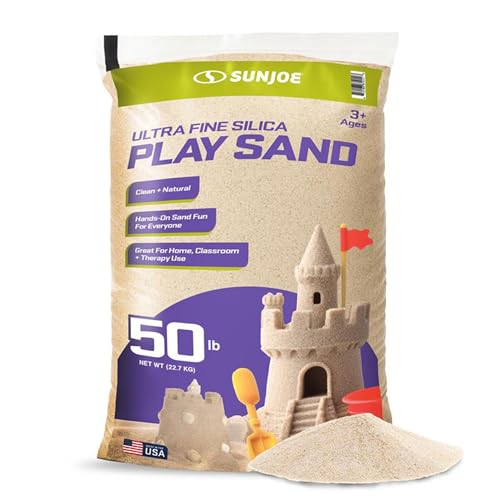
Sun Joe Silica Play Sand
What We Like
- Ultra-clean natural white silica
- Soft smooth texture for molding
- Versatile for indoor and outdoor use
- Supports sensory development
Trade-offs
- Requires dry ventilated storage
This bag of ultra-clean natural white silica sand gives you plenty of material to fill a sandbox or sensory table without constant refills. The soft, smooth texture molds easily for digging and sculpting, so kids can build castles or shape roads without the sand crumbling apart. It works just as well indoors for sensory bins and therapy sessions as it does outside in the garden, making it a flexible option for creative play at home or in classrooms. If you want a bright white sand that stays clean-looking and supports tactile exploration, this one delivers on that promise without extra dust or grit.
This Sun Joe sand is ultra-clean natural white silica, so it stands out visually but may show grime faster in an outdoor sandbox. The 50-pound bag gives you plenty of sand for a large sandbox or multiple sensory bins, so you won’t need to buy a second bag for a typical backyard setup. It has a soft, smooth texture that molds easily for digging and sculpting, which makes it a good choice for hands-on creative play. Unlike the Quikrete Sandbox Play Sand, which is screened and washed for outdoor use and has a tan color that hides dirt, this sand is bright white.
Product photos
Palmetto Play Sand
What We Like
- Finely screened, washed, and dried
- Low-dust for cleaner play
- Versatile for sandboxes, sensory bins, water tables
- Generous 50 lb bag
Trade-offs
- 50 lb bag is heavy to move
- Not suitable for silica-free sensory bins
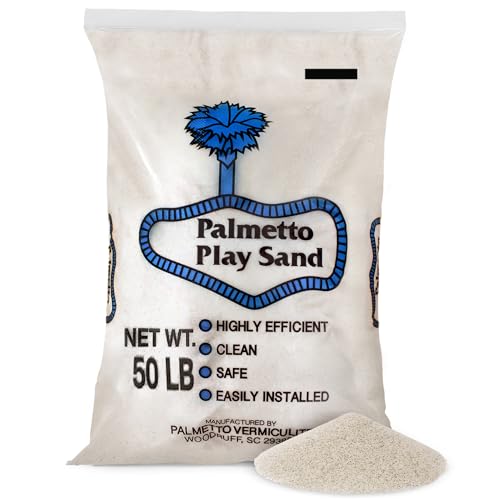
This 50-pound bag of finely screened, washed, and dried natural sand gives you a soft, silky texture that’s low on dust and high on play value. That’s the kind of detail that matters when kids are digging, pouring, and molding for hours indoors or out. It’s a natural sand with no added chemicals or bleaching, so it feels safe for sensory bins, sand tables, and even water tables. For families wanting a clean, versatile sand that encourages creativity and motor skill development, this delivers without the cloud of airborne particles you often get with cheaper options.
The trade-off is that 50 pounds is a lot of sand to haul around, especially if you’re filling a smaller sandbox or need to move it upstairs. Compared to the Sandtastik Sparkling White Play Sand, which comes in a lighter 25-pound bag, this one demands a bit more muscle upfront. But for larger backyard setups or classrooms, that generous coverage, about 18 square inches at three inches deep, means fewer bags to buy and less hassle overall. Just be ready to lift or get a hand with the bag.
Product photos
Sandpiper Multiuse Kids Sand
What We Like
- Washed and cleaned natural sand
- Soft texture molds sturdy sandcastles
- Low-dust formula minimizes mess
Trade-offs
- 50 lb bag is heavy to move
- Not colored or dyed for visual play
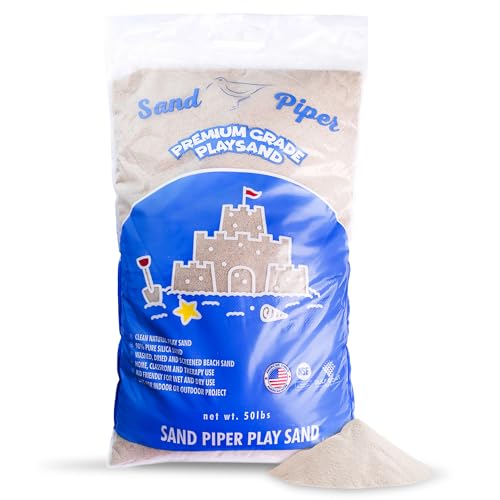
At 99% silica, this sand delivers a consistently soft grain that holds its shape when you pack it into a castle mold, so kids can build towers that actually stay up. Sandpiper’s washed and cleaned natural material keeps dust low, which means less cleanup and more time for digging, scooping, and sculpting. It works just as well indoors on a sensory table as it does outside in a sandbox, making it a versatile option for families who need one bag that does double duty.
The 50-pound bag delivers a lot of sand for filling a large sandbox or multiple sensory bins, though you’ll want a sturdy hand truck for moving it from the car. Made from 100% natural materials and washed clean, it’s designed for safe play with delicate hands. The 99% silica content gives it a soft, consistent texture that molds into firm sandcastles without excessive dust.
Product photos
Trade Grade Play Sand Bucket
What We Like
- Kid-safe and non-toxic
- Holds moisture for sculpting
- Low dust, easy to clean
- Supports fine motor skills
Trade-offs
- 10-pound bucket fills only small sandboxes
- 8-inch cube shape limits depth for digging
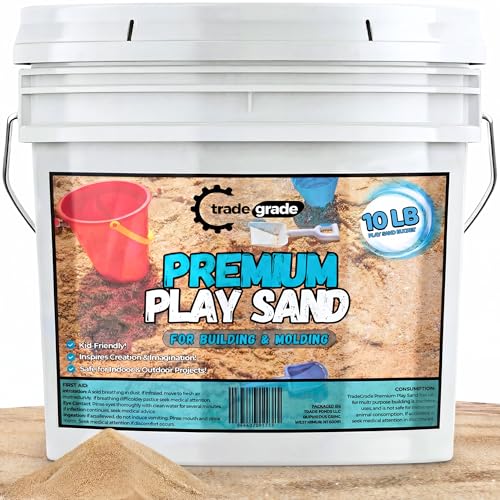
At just 10 pounds, this bucket is a fraction of the size of a 50-pound bag, which makes it perfect for a small sandbox or a sensory table. You don’t have to haul or store a giant sack. The sand holds moisture well for building castles, so kids can actually sculpt shapes instead of just sifting dry grains. It’s also labeled non-toxic and low-dust, which matters when little ones are scooping and spilling indoors or out. This is the sand to grab when space is tight or you’re testing the waters before committing to a bulk buy.
The trade-off is obvious: you get far less sand than a 50-pound bag like Quikrete’s, so it won’t fill a large outdoor sandbox. The 8-inch cube bucket also means the sand depth is shallow, which limits digging and burying toys compared to deeper bins. But if your goal is a compact, mess-managed play experience for a toddler or a classroom sensory station, the small size becomes a feature, not a flaw. Just know you’ll be buying multiple buckets if you need to cover more ground.
Product photos
How We Evaluated Play Sands For Sandboxes
Our research began with the safety data sheets and product specifications for each sand. We looked for non-toxic certifications, silica content, and whether the sand was washed, screened, and dried before bagging. We also checked manufacturer claims against what owners actually report about dust levels, texture, and moldability.
The three criteria that mattered most were safety and purity, dust level, and value per pound. Safety comes first, sand meant for children should be free of harmful chemicals and sharp debris. Dust level matters because fine airborne particles are a respiratory concern, especially for young kids who play close to the ground. Value per pound helps you decide whether to buy a single 50-pound bag or a smaller premium option.
A research-led evaluation has limits, we don’t have a lab to test silica content or particle size distribution ourselves. Instead, we rely on manufacturer documentation, ASTM and CSPC safety standards, and the consensus from verified owner experiences. If you want to compare specific brands side by side, our detailed play sand guide breaks down every option further.
What To Look For In Play Sands For Sandboxes
Choosing the right sand for your sandbox means balancing safety, texture, and quantity. Here’s what to keep in mind.
Look for sand labeled non-toxic and free of crystalline silica. Pre-washed and screened sand reduces dust and hidden debris. Match the bag size to your sandbox volume, a standard 50-pound bag covers about half a cubic foot.
Safety and Purity
The most important factor is what’s not in the sand. Play sand should be non-toxic and free of crystalline silica, which is a known respiratory hazard when inhaled as fine dust. Many brands advertise “no free silica” or “silica-free” on the label. Sand that’s been washed, screened, and dried removes natural debris like pebbles, clay, and organic matter that can harbor bacteria. For indoor use or sensory tables, prioritize a brand with explicit non-toxic certification. Our safe sand for sandboxes guide covers the specific safety standards to look for.
Dust Level and Texture
Low-dust sand is worth paying more for, especially if your child has asthma or allergies. Sand that generates a cloud when poured or dug into is a sign of poor processing. The texture should feel soft and fine, not gritty or coarse. Wet, well-processed sand holds its shape for castles and tunnels; overly dry or dusty sand crumbles. If you’re filling a sandbox near a house or patio, low-dust options like Palmetto Play Sand or U.S. Silica Snow White Play Sand minimize cleanup.
Bag Size and Coverage
Sandbox sizes vary widely, and so do sand bag sizes. A 10-pound bucket is fine for a small sand table, but a standard 4×4-foot sandbox needs a large amount of sand for a deep fill. Check your sandbox dimensions and calculate volume before buying.
For large projects, a 50-pound bag is the most economical. For smaller sandboxes or sensory tables, a 20-pound or 25-pound bag is easier to handle. When comparing options, remember that the choice between play sand and river sand often comes down to particle size and cleanliness; play sand is screened finer for safer play.
- Calculate your sandbox’s cubic footage (length × width × desired depth in feet).
- Multiply cubic feet by 100 to estimate pounds needed (a cubic foot of sand weighs about 100 pounds).
- Check if the sand is pre-washed and dried to avoid mold and odor.
- Look for bags that are sealed and stored dry to prevent moisture damage.
- Consider a two-bag pack if your sandbox is medium-sized, it’s often cheaper per pound.
A good rule of thumb: buy 20% more sand than your calculation suggests, sand settles and compacts over time.
Play Sands For Sandboxes Compared
The table below compares all ten play sands by their key specs, so you can see at a glance which one fits your sandbox size and budget.
| Product | Weight | Dimensions | Material |
|---|---|---|---|
| Classic Sand and Play Sand | 20 lb | 14 x 12 x 4 in | Natural, non-toxic sand |
| Quikrete Sandbox Play Sand | 50 pounds | 19.0 x 13.0 x 4.5 in | Fine play-quality sand |
| Sandtastik Sparkling White Play Sand | 25.9 pounds | 10.0 x 10.0 x 5.5 in | Premium non-toxic, no free silica |
| U.S. Silica Snow White Play Sand | 50 pounds | N/A | N/A |
| Palmetto Soft Play Sand 2-Pack | 50 lb | N/A | Natural fine sand |
| U.S. Silica Large Play Sand | 50 pounds | 24 x 15 x 4.5 in | Non-toxic, finely graded sand |
| Sun Joe Silica Play Sand | 50 lb | N/A | Natural white silica sand |
| Palmetto Play Sand | 50 lb | N/A | Natural sand, no chemicals |
| Sandpiper Multiuse Kids Sand | 50 lb | N/A | 99% silica sand |
| Trade Grade Play Sand Bucket | 10.0 pounds | 8.0 x 8.0 x 8.0 in | Natural play sand |
Frequently Asked Questions
What kind of sand is safe for a sandbox?
Safe sandbox sand is non-toxic, free of crystalline silica, and has been washed and screened to remove debris like rocks, sticks, and clay. Look for products labeled “play sand” rather than construction or masonry sand, which may contain harmful dust or sharp particles. Our recommended play sand list only includes options that meet these safety standards.
How much sand do I need for my sandbox?
Measure your sandbox length and width in feet, multiply by the desired depth in feet, then multiply by 100 to get the approximate pounds needed. A standard 4×4-foot sandbox filled to a deep level needs a lot of sand. Most play sand comes in 50-pound bags. For smaller sand tables, a 20-pound or 25-pound bag is usually enough.
Can I use regular construction sand in a sandbox?
Construction sand is not recommended for sandboxes. It often contains crystalline silica dust, sharp particles, and hasn’t been screened for debris. Play sand is processed specifically for children’s safety, with finer, softer grains that are less likely to cause respiratory irritation or injury during play.
What is the difference between play sand and river sand?
Play sand is manufactured or quarried sand that’s been washed, screened, and dried to remove impurities and create a consistent, fine texture. River sand is naturally occurring sand from riverbeds that can contain silt, clay, and organic matter.
How do I keep sandbox sand clean?
Cover your sandbox when not in use to keep out animals, leaves, and rain. Rake the sand regularly to remove debris and break up clumps. Replace the sand every year or two, depending on use. For indoor sand tables, use a lid or tarp and spot-clean with a damp cloth. Avoid adding water to sand that won’t be used immediately, as moisture can promote mold growth.
The Bottom Line
If you have a small sandbox or sand table and want sand that’s safe, molds well, and dries fast, Classic Sand and Play Sand is the best overall choice. It’s non-toxic and quick-drying, making it ideal for indoor and outdoor use where you don’t want a lingering mess.
For families filling a large backyard sandbox on a budget, grab the Quikrete Sandbox Play Sand, a 50-pound bag of clean, pre-washed sand that won’t break the bank. If you’re setting up a classroom sensory table or want that bright white look, Sandtastik Sparkling White Play Sand delivers premium quality with no free silica.
The single most important buying factor is safety: always choose sand labeled non-toxic and free of crystalline silica. Everything else, dust level, color, bag size, comes second to knowing your child is playing in a safe environment. Pair your sand with one of our top sandboxes and some sandbox toys for a complete play setup.
