
10 Best Board Games in 2026
This post contains affiliate links. As an Amazon Associate, we earn from qualifying purchases.
The best board game for most families and strategy enthusiasts is CATAN Board Game 6th Edition, thanks to its modular board for endless replayability and strategic resource management. For large groups seeking laughs, the Big Potato TONOMO Board Game is our Best Hilarious Group Game, while the CMYK Wavelength Party Game is the Best Mind Reading Game for quick, creative fun.
Choosing the right board game means matching the player count, play time, and complexity to your group. A game that shines with four players might fall flat with two, and a deep strategy game can overwhelm a casual family gathering.
This guide is research-based, drawing on specifications, manufacturer details, expert round-ups, and patterns in owner feedback to help you find the perfect game. We cover ten top picks across different categories, from quick party games to immersive strategy experiences.
Top 10 Board Games in the Market
Certain content that appears on this site comes from Amazon. This content is provided "as is" and is subject to change or removal at any time.
The Best Board Games, Reviewed
CATAN Board Game 6th Edition

What We Like
- Modular board for endless replayability
- Strategic resource management and trading
- Supports 3-4 players in 60-90 minutes
- Classic family strategy game
Trade-offs
- No 2-player option without expansion
- Requires 3-4 players, not solo-friendly
The modular hexagonal board means every game unfolds on a different island, so you never play the same layout twice. That built-in variety keeps the strategy fresh as you build roads, settlements, and cities while managing resources and avoiding the robber. Designed for 3-4 players ages 10 and up, it hits the sweet spot for family game nights where everyone wants a real challenge without drowning in rules. The resource trading and settlement building create a tight balance of cooperation and competition that rewards planning ahead and adapting on the fly.
The trade-off is that 60-90 minutes can feel long if you’re looking for something quick after dinner, and you’ll need at least three people to play, no two-player option here without buying the separate extension. Compared to Ticket to Ride’s simpler route-building, Catan demands more negotiation and resource management, which makes it better for players who enjoy a deeper strategic puzzle. If your group has the time and the numbers, this is the kind of game that turns one round into an entire evening.
Big Potato TONOMO Board Game

What We Like
- Supports 4-20+ players
- Easy to learn and quick to play
- Includes 20 extra questions
- Hilarious majority-vote gameplay
Trade-offs
- Requires at least 4 players to work well
- Not for ages under 10
- No solo or two-player mode
A 4-to-20+ player count means this game can handle anything from a small family dinner to a full holiday gathering without anyone sitting out. That flexibility makes it a natural fit for groups where you never know exactly how many will show up. The core mechanic is dead simple: everyone answers the same question, and if your answer is in the majority, you win cows. If you’re the odd one out, you get stuck with the pink cow of doom, which is exactly as ridiculous as it sounds. It’s the kind of game that gets louder and funnier as the round goes on, and the included 20 extra questions keep it from going stale too quickly.
This game lives or dies by its group size. With fewer than four players, the whole “majority rules” dynamic falls flat, so it’s not a grab-and-go option for a quiet couples’ night. If your game nights regularly have a dozen people laughing over snacks, this will be a hit. If you’re usually playing with just one or two others, you’ll want something that doesn’t depend on a crowd to work.
Product photos
CMYK Wavelength Party Game

What We Like
- Supports 2-12+ players
- 30-minute play time
- 5-second setup, 1-minute learn
Trade-offs
- No scoring or strategy depth
- Large box for a card game
- Depends entirely on group creativity
With support for 2 to 12-plus players and a 30-minute play time, CMYK Wavelength gets a group talking and guessing in minutes. The core idea, placing a clue on a hidden spectrum and seeing how close your team gets, turns simple words into hilarious debates. Setup takes five seconds, and you can explain the rules in a minute, so it works for mixed crowds where not everyone is a board game veteran. That quick learning curve and flexible player count make it a natural fit for parties, family gatherings, or office offsites where you need instant fun without a rulebook lecture.
Wavelength is pure social guessing with no scoring depth or strategic layers. If your group prefers building engines or managing resources, a game like Catan or Ticket to Ride provides a different kind of challenge. But for a night where the goal is laughter and connection, not competition, this one delivers. The box is larger than you’d expect for a card-and-dial game, so it takes up more shelf space, but the payoff is a genuinely fresh party experience that gets everyone involved.
Product photos
Days of Wonder DOW7201N Board Game

What We Like
- Giant map of North America
- Miniature trains for each player
- Easy to learn, hard to master
- Multiple ways to win
Trade-offs
- 2-5 player limit excludes larger groups
- No solo play option
The 30-60 minute playtime keeps the pace brisk, making it a reliable centerpiece for game night without dragging on. A giant map of North America and miniature trains for each player turn route claiming into a tangible, visual experience. With simple rules that let new players jump in fast, yet enough strategic depth to keep experienced gamers engaged, it suits families and casual groups equally well.
Compared to CATAN’s 3-4 player, 60-90 minute scope, Ticket to Ride is quicker and more accessible, but if your group routinely runs six or more, you’ll want to look at a party game like Big Potato TONOMO instead. For a family-friendly train adventure that balances ease of entry with genuine replayability, this is the one I’d hand to a friend first.
Product photos
Azul Mosaic Tile-Placement Game
What We Like
- Award-winning tile placement strategy
- Beautiful mosaic art with Portuguese inspiration
- Replayable with shifting tile combinations
- Scales well from 2 to 4 players
Trade-offs
- Not suited for groups wanting longer, narrative-driven sessions
- Tile randomness can frustrate players who prefer full control
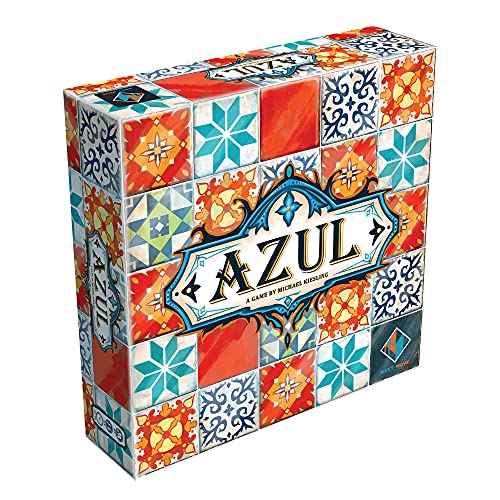
With a 30-45 minute playtime and support for 2-4 players, Azul delivers a tight, strategic experience that fits neatly into a weeknight game session. The core loop, drafting colorful tiles from shared factory displays and placing them on your personal mosaic wall, is easy to teach but offers real depth as you balance your own pattern rows against denying opponents the tiles they need. Every move feels meaningful, and the shifting tile supply keeps each round from feeling stale. That’s why it earned the Spiel des Jahres, the German game of the year award, and why it’s a staple for anyone who loves thoughtful, elegant design over sprawling complexity.
Azul’s focused design means it won’t satisfy players looking for a longer, more narrative-driven evening. Compared to Catan’s 60-90 minute sessions with trading and negotiation, Azul offers a tighter, more abstract puzzle that emphasizes careful planning over negotiation. For two adults or a small family who want a beautiful, replayable strategy game that’s done in under an hour, Azul is hard to beat.
Product photos
Stonemaier Games STM910 Board Game

What We Like
- 170+ unique bird cards for variety
- Solo mode with Automa opponent
- Beautiful bird illustrations by three artists
- Thematically designed bird abilities
Trade-offs
- Medium weight complexity not ideal for young children
- Setup and rules explanation can slow first game
With over 170 unique bird cards and a clever dice-tower birdfeeder, this engine-building game rewards patience and planning as you chain together powerful bird abilities across three habitats. The solo Automa mode provides a competitive opponent for one-player sessions, and the naturalistic art by three illustrators gives each card a distinct look. It’s a perfect fit for bird lovers, nature enthusiasts, and anyone who enjoys a medium-weight strategy game that feels more like a peaceful afternoon at the preserve than a cutthroat competition.
The 70-minute playtime and moderate learning curve can feel heavy if you’re looking for something quick and light. Compared to a tile-laying game like Cascadia, Wingspan asks for more commitment per session and a bit more upfront rule absorption. But if you value thematic depth, replayability, and a game that ties bird behaviors into its mechanisms, this is the one that keeps you coming back to build a better aviary.
Product photos
Asmodee SPL01 Board Game

What We Like
- Engine-building gem trading gameplay
- Quick to learn with 3 actions per turn
- Plays in about 30 minutes
- Rewards timing and long-term planning
Trade-offs
- Only 2-4 players limits larger groups
- No solo mode for single players
A 30-minute playtime and just three possible actions per turn mean you can teach this gem-trading engine builder in under five minutes and finish a full game before the pizza arrives. That speed makes it a natural fit for family game nights where attention spans vary, or for adult evenings when you want meaningful strategy without a two-hour commitment. The Renaissance commerce theme ties cleanly to the core loop: collect tokens, buy development cards, attract noble patrons, and race to 15 prestige points.
That lightweight 0.2-pound box can feel insubstantial compared to something like Catan, which has a heavier board and more pieces. But that portability also means you can toss Splendor in a bag for vacations or a coffee shop meetup without second thoughts. If your group routinely has five or more players, you will need a different pick, but for 2-4 people who want a quick, rewarding strategy session, this is a tight little package.
Product photos
Z-Man Games ZM7810 Board Game
What We Like
- Randomized tiles keep every game different
- Includes two mini-expansions in the box
- Clear rules for ages 7 and up
- Meeple placement adds strategy each turn
Trade-offs
- No solo mode for single players
- No official support for more than 5 players
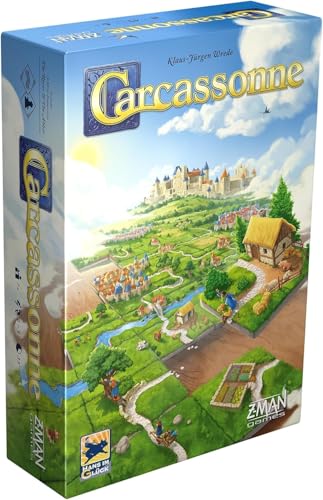
A 35-minute playtime with 2-5 players means this tile-laying game fits neatly into a weeknight without dragging on. You draw landscape tiles to build cities, roads, fields, and monasteries, then deploy meeples as knights, farmers, or monks to claim features and score points. The randomized tile draws create a different medieval landscape every time, so no two games play the same. That mix of simple rules and meaningful decisions makes it accessible for families with kids 7 and up, while still offering enough depth to keep experienced board gamers engaged. This is a game that gets pulled out again and again because setup is fast and the core loop is satisfying.
The 35-minute runtime can feel a bit short if you’re looking for an epic evening-long session. Compared to something like CATAN, which runs 60-90 minutes, Carcassonne is quicker and lighter, so it works better as a warm-up or a family game after dinner rather than the main event. It also doesn’t include a solo mode, so if you often play alone, you’ll need to look elsewhere. But for what it is, a classic, replayable tile-layer that comes with two mini-expansions in the box, it delivers consistent fun without overstaying its welcome.
Product photos
Leder Games LED01000 Board Game

What We Like
- Asymmetric factions drive unique replayability
- Area control with adventure and conflict
- Each role changes how you play
Trade-offs
- 4-player max limits larger groups
- Asymmetric rules require more learning upfront
Root gives each of its 2-4 players a completely different set of abilities and goals, so no two games play the same way. That asymmetry is the core reason it stands out in a crowded strategy field: you aren’t just choosing a color, you’re choosing a whole different rulebook. It rewards players who enjoy learning layered systems and want a game that stays fresh after many sessions, rather than one you can master in a single evening.
That same complexity means Root asks each player to internalize their own faction’s unique path to victory, unlike a game like CATAN where everyone follows the same rules from turn one. This makes it less ideal for a quick, casual game night or for groups that include younger or less experienced players. But if your group enjoys digging into a rich, asymmetric puzzle, Root delivers a level of strategic variety that few other board games can match.
Product photos
AEG AEG7098 Board Game
What We Like
- Teachable in 2 minutes
- Plays in 15-30 minutes
- Multiple scoring strategies
Trade-offs
- Only 1-4 players limits larger groups
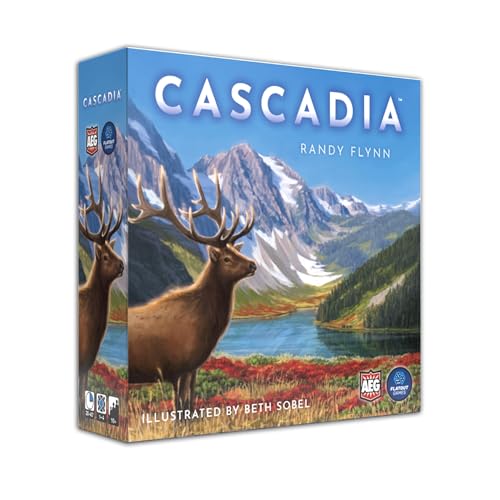
A 15-30 minute play time and a two-minute teach make this spatial puzzle game about building nature corridors and attracting wildlife a rare find for families who want real strategy without a rulebook marathon. It works for one to four players, so it scales from solo puzzling to a quiet game night with friends. The spatial puzzle of balancing habitat corridors with wildlife placement gives you multiple paths to score points, which keeps each game feeling fresh rather than rote.
Its lightweight strategy won’t satisfy a group that wants deep conflict or heavy negotiation. Best for players who want a thoughtful, low-pressure puzzle they can teach to anyone in minutes and finish in under half an hour.
Product photos
How We Evaluated Board Games
We built this guide by analyzing manufacturer specifications, expert round-ups, and patterns in owner feedback across the board game community. Our focus was on finding games that work well for the intended audience, whether that is a quick party game or a deep strategy session.
The four criteria that mattered most were player count flexibility, play time, replayability, and ease of learning. A game that supports a wide range of players, like the Big Potato TONOMO for 4-20+ players, earns high marks for versatility. Replayability was critical, games like CATAN with its modular board and Azul with shifting tile combinations keep the experience fresh.
An evaluation based on research has limits: we cannot replicate the social dynamics of a real game night or account for personal taste in theme or humor. What we can do is identify the games that consistently meet their design goals based on community consensus.
What To Look For In Board Games
Finding the right board game starts with understanding your group’s size, attention span, and preferred style of play. The best game for your shelf is the one that fits your specific needs.
Focus on player count, play time, and complexity first. Match the game to your group’s size and preferred session length, then consider theme and replayability.
Player Count and Scalability
The most common mistake is buying a game that does not fit your typical group size. CATAN supports 3-4 players, while the Big Potato TONOMO works for 4-20+ players. If you often play with two, look for games like Azul or the Asmodee SPL01 that scale well down to two players. For solo play, the Stonemaier Games STM910 includes an Automa opponent, a rare feature in this list.
Play Time and Complexity
A game’s listed play time is a strong indicator of its weight. Quick games like the AEG AEG7098 (15-30 minutes) or Asmodee SPL01 (about 30 minutes) are ideal for casual family nights. Deeper games like the Stonemaier Games STM910 or Leder Games LED01000 require 60-90 minutes and more upfront rules explanation. Be honest about your group’s patience for learning new rules.
Replayability and Theme
The best games reward repeated plays. CATAN’s modular board, the randomized tiles in the Z-Man Games ZM7810, and the 170+ unique bird cards in the Stonemaier Games STM910 all ensure no two games are alike. Theme matters less for gameplay but more for buy-in, a bird enthusiast will love Wingspan, while a train fan will gravitate toward the Days of Wonder DOW7201N.
- Check the player count on the box against your typical game night group.
- Read the “best for” section to see if the game matches your group’s preferred style.
- Look at the play time and add 10-15 minutes for first-game rules explanation.
- Consider whether the game supports solo or two-player modes if that matters to you.
A game that fits your group’s size and attention span will get played far more often than one with a more appealing theme.
Board Games Compared
The table below compares our ten picks across key specs like player count, play time, and best use, so you can quickly find the right match for your next game night.
| Product | Players | Ages | Play Time | Weight |
|---|---|---|---|---|
| CATAN Board Game 6th Edition | 3-4 | 10+ | 60-90 min | 2.6 pounds |
| Big Potato TONOMO Board Game | 4-20+ | 10+ | N/A | 1.0 pounds |
| CMYK Wavelength Party Game | 2-12+ | N/A | 30 minutes | 2.5 pounds |
| Days of Wonder DOW7201N Board Game | 2-5 | 8+ | 30-60 min | 2.8 lb |
| Azul Mosaic Tile-Placement Game | 2-4 | 8+ | 30-45 min | 2.5 lb |
| Stonemaier Games STM910 Board Game | 1-5 | N/A | 70 mins | 2.2 pounds |
| Asmodee SPL01 Board Game | 2-4 | 10+ | 30 min | 0.2 lb |
| Z-Man Games ZM7810 Board Game | 2-5 | 7+ | 35 min | 1.6 pounds |
| Leder Games LED01000 Board Game | 2-4 | 14+ | N/A | 2.2 pounds |
| AEG AEG7098 Board Game | 1-4 | 10+ | 15-30 min | N/A |
Frequently Asked Questions
What is the best board game for a large group?
The Big Potato TONOMO Board Game is our Best Hilarious Group Game, supporting 4-20+ players with easy-to-learn, majority-vote gameplay. It is ideal for parties and large family gatherings where laughter is the priority over deep strategy.
What is a good board game for two players?
Azul Mosaic Tile-Placement Game scales well from 2 to 4 players and plays in under an hour, making it a great choice for couples. The Asmodee SPL01 also works well with two players for a quick, strategic session.
What is the best strategy board game for beginners?
The Asmodee SPL01 is our Best Quick Strategy Game, with an engine-building system that is quick to learn using only three actions per turn. It plays in about 30 minutes, making it accessible for new strategy gamers.
What board game has the most replay value?
CATAN Board Game 6th Edition offers endless replayability thanks to its modular board, which changes the layout every game. The Z-Man Games ZM7810 also delivers high replay value with randomized tiles and two included mini-expansions.
What is a good board game for a family with kids?
The Z-Man Games ZM7810 has clear rules for ages 7 and up, with tile-laying and meeple placement that is easy to teach. The Days of Wonder DOW7201N is also family-friendly, with simple rules and a giant map of North America that kids enjoy.
The Bottom Line
For most families and strategy enthusiasts, the CATAN Board Game 6th Edition is the best overall choice, offering deep replayability and satisfying resource management for 3-4 players. Its modular board ensures every session feels fresh, and the trading mechanic keeps everyone engaged.
If your group leans toward laughter over strategy, grab the Big Potato TONOMO for large gatherings or the CMYK Wavelength Party Game for quick, creative rounds. Budget-minded shoppers will find excellent value in the Azul Mosaic Tile-Placement Game or the Asmodee SPL01, both of which deliver premium gameplay without a premium price tag.
The single most important factor in choosing a board game is matching it to your group’s size and preferred play time. A game that fits your table will get played, and that is the only measure that matters.
